
How we plan and run events
Six stages, one team from start to finish: Discover, Concept, Plan, Coordinate, Execute and Experience.

The six stages
- 01
Discover
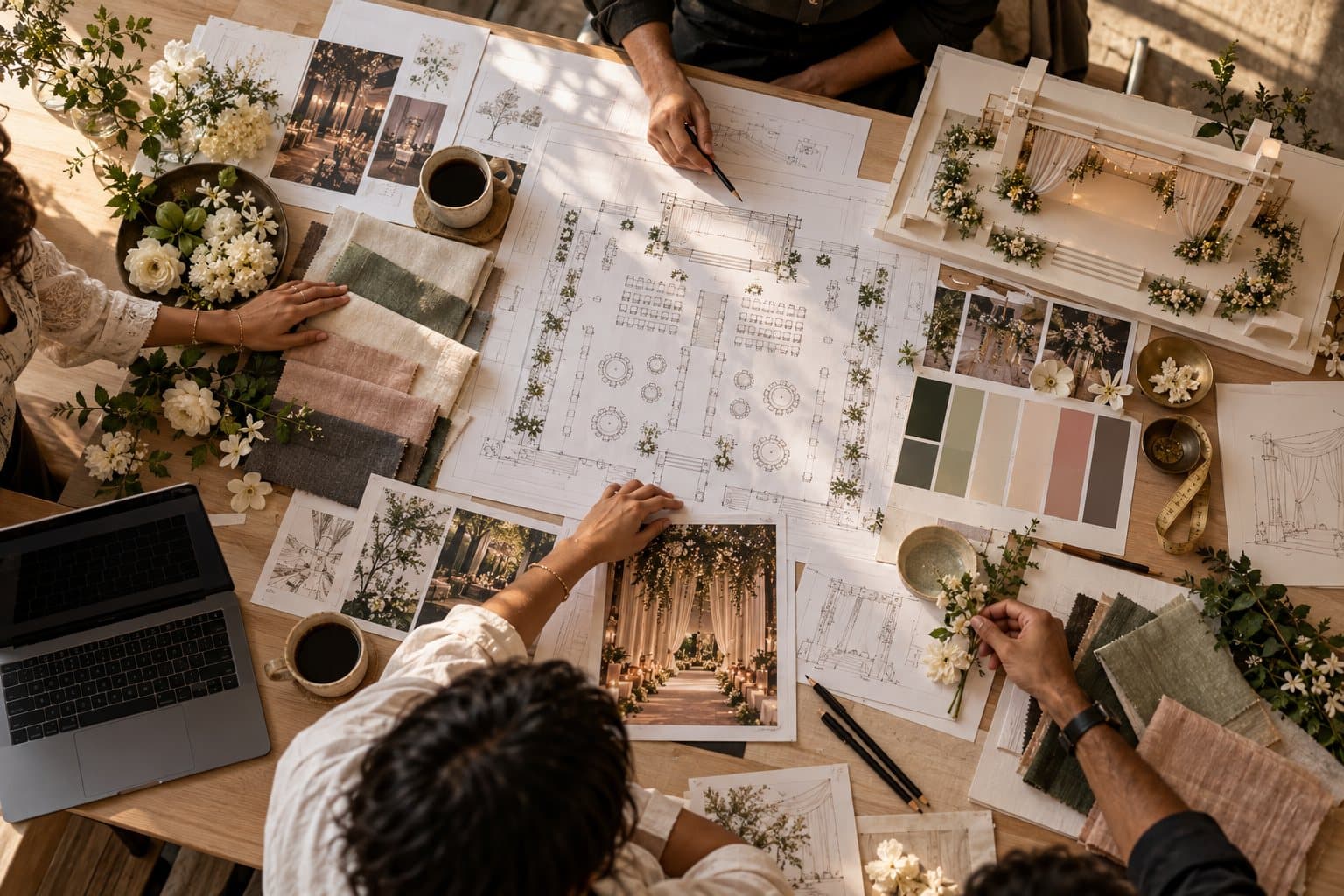
We start with questions. Who is it for? What should people feel when they leave? What absolutely cannot go wrong? Guest count, budget, dates and constraints come next.
- 02
Concept
A clear idea for the look, the flow and the atmosphere, so every later decision has something to be measured against.

- 03
Plan
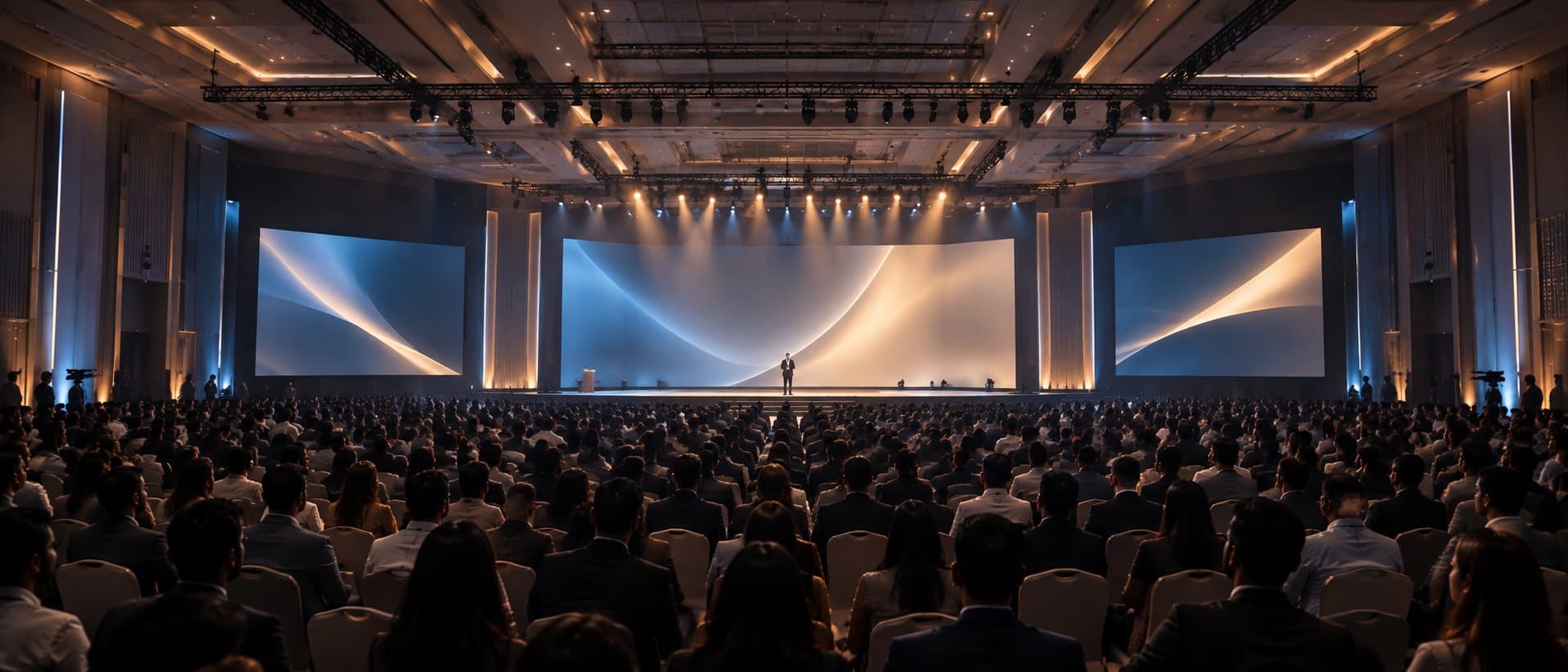
Venue, layouts, vendor list, budget and a timeline worked backwards from the day itself, with a named owner for every task.
- 04
Coordinate
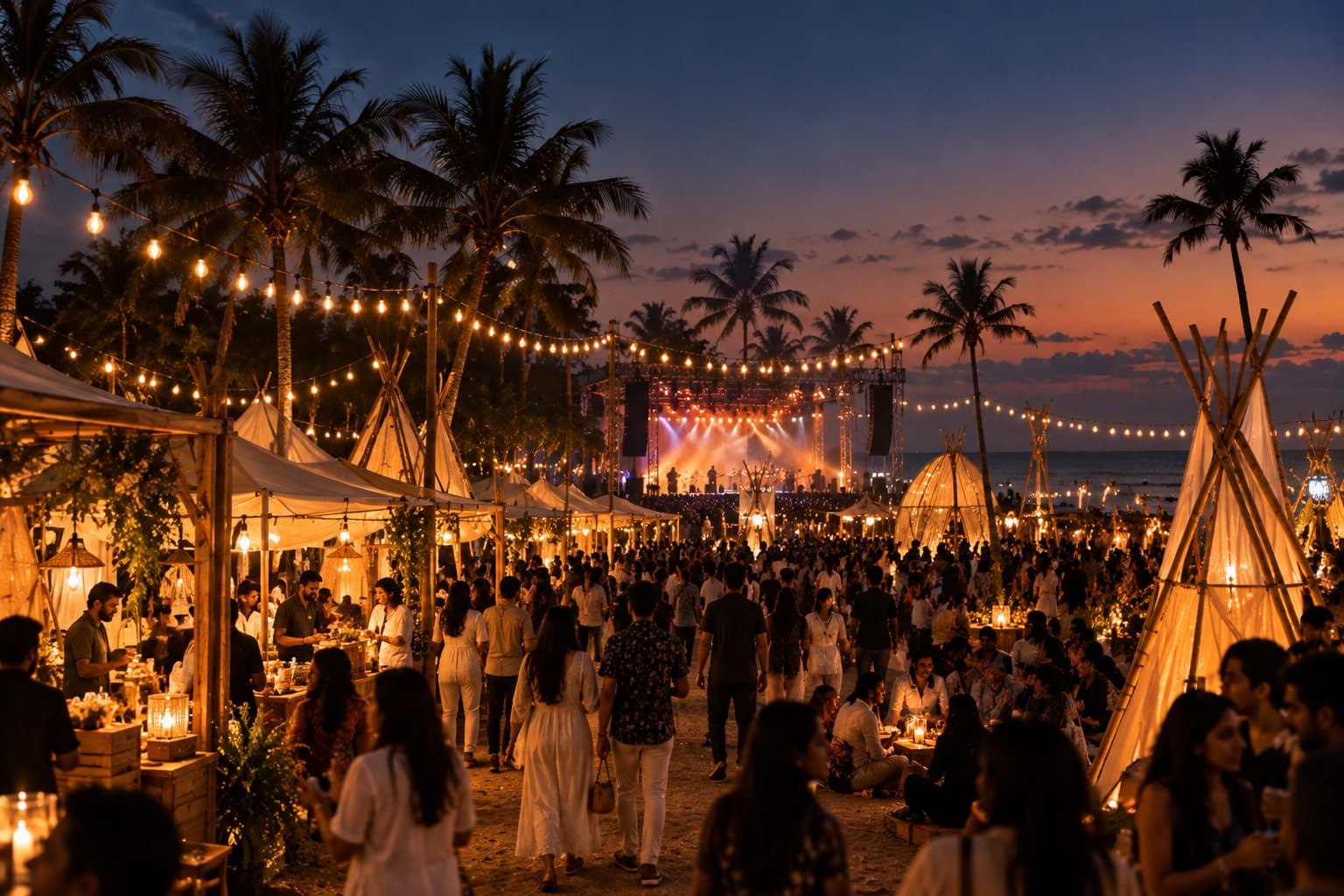
Venues, décor, artists, technical partners and permissions, briefed, scheduled and followed up by one team, so the client has one conversation instead of twenty.
- 05
Execute
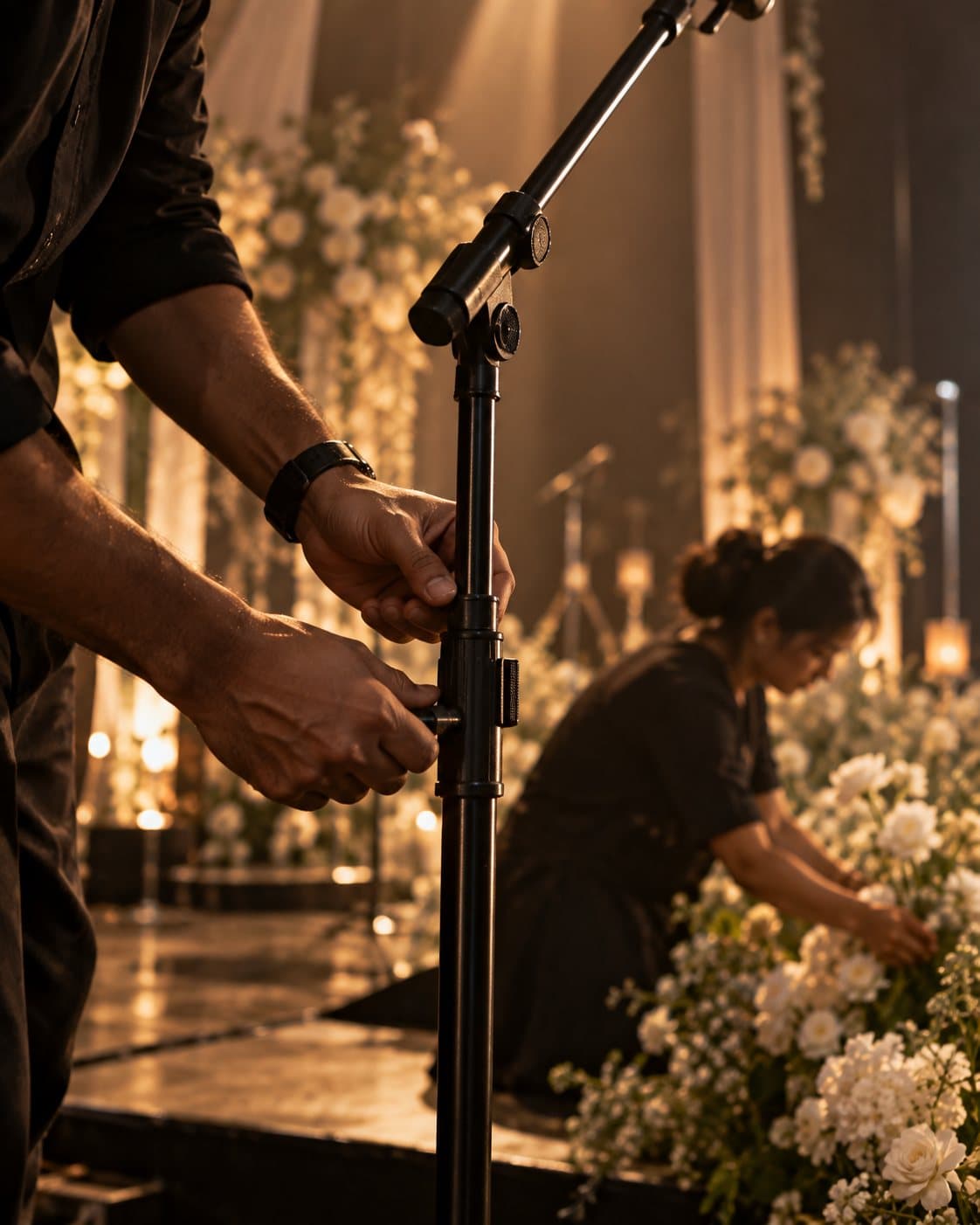
Our crew is on site from load-in to load-out, calling cues, solving problems early and keeping the schedule honest.
- 06
Experience
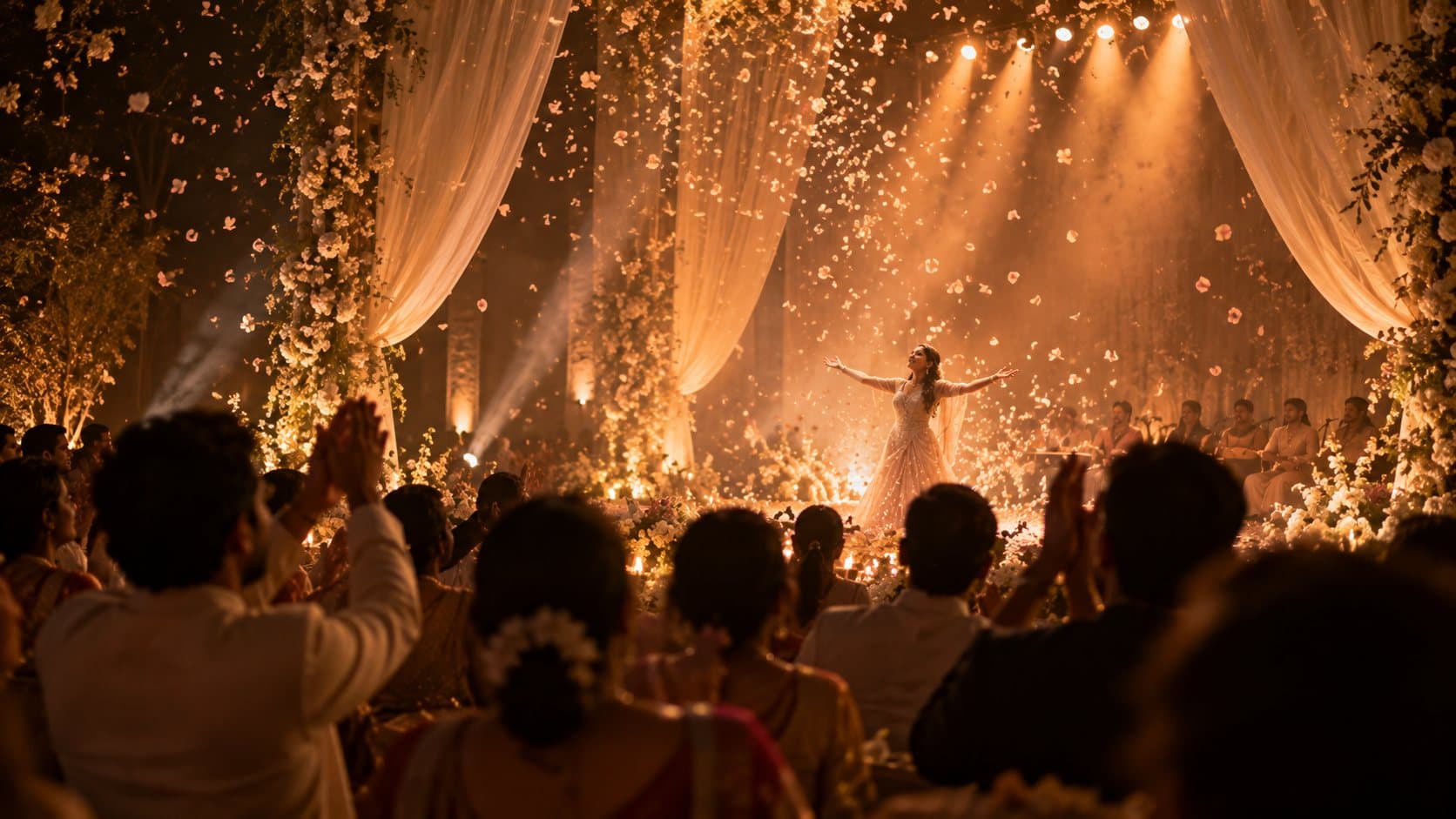
When everything above is done well, nobody notices it. Guests remember the evening, not the effort behind it.

The guest sees the moment. We see everything around it.
Drag across the stage to go backstage.
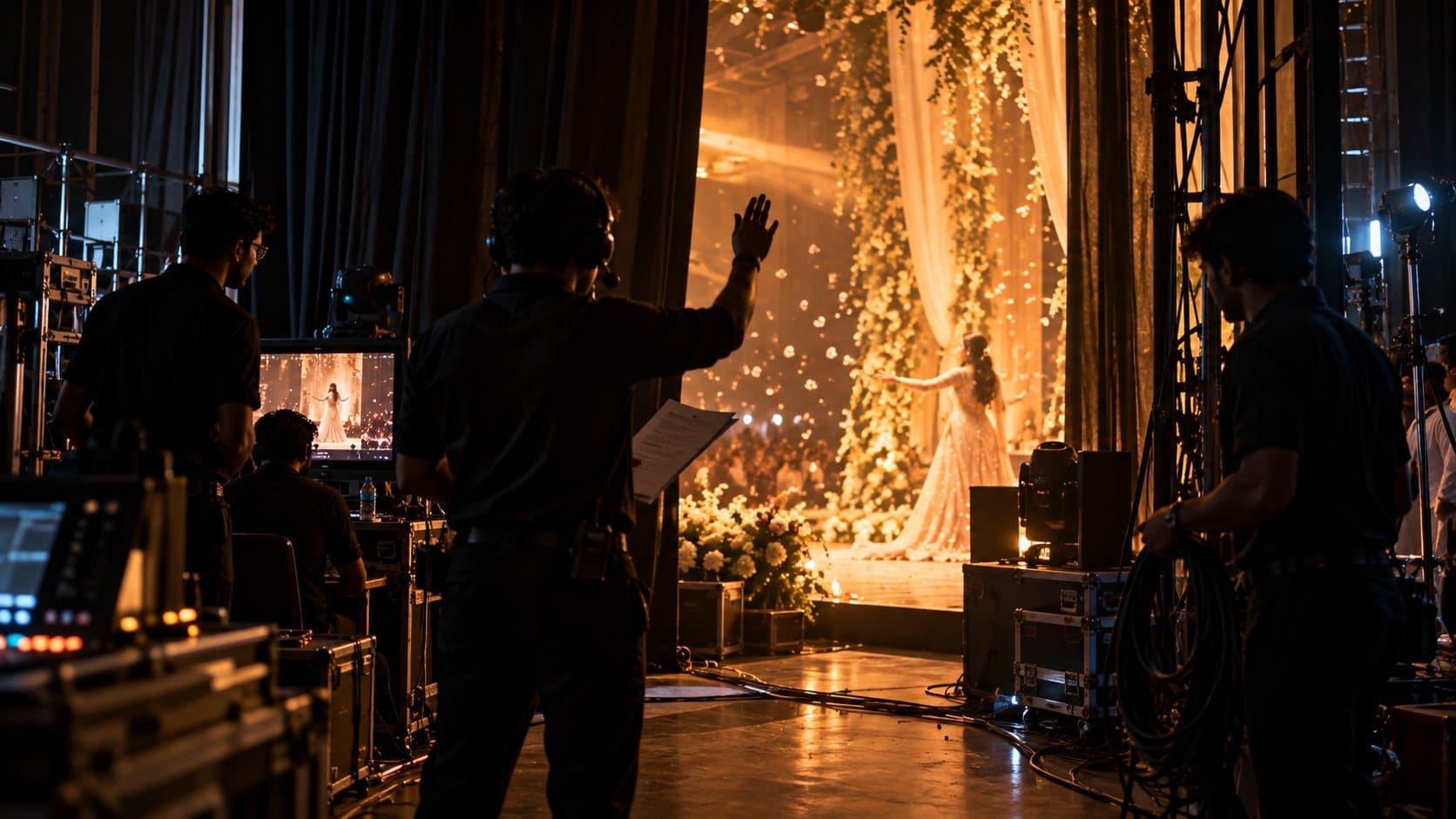
The run sheet. Timed to the minute and shared by every vendor, artist and crew member.
The cue. Called on headset, so light, sound and stage change at the same moment.
The contingency. A plan for rain, delays and late arrivals, written before anyone needs it.
One event. Many moving parts. One team holding them together.
Some parts are handled by our own team and many come through trusted partners. All of them answer to the same plan, and to one point of contact. Select a part to see how it fits.

One plan. One team. One experience.
Questions, answered.
All questionsHow does Ekatra plan an event?
In six stages: Discover, Concept, Plan, Coordinate, Execute and Experience. One team stays with the event from the first conversation to the final applause.
Does Ekatra do everything in-house?
Some parts are handled by Ekatra's own team and many come through trusted partners. All of them answer to the same plan, and to one point of contact.
How early should I contact an event organiser?
As early as you can. Ekatra works the timeline backwards from the day itself, with a named owner for every task, so more lead time gives the plan more room.
Who runs the event on the day?
Ekatra's crew is on site from load-in to load-out, calling cues, solving problems early and keeping the schedule honest.
Let's build the experience.
Tell us what you're planning. A few details are enough to begin.